Lifestyle
The pet – friendly road trip
When taking your pet on a road trip, make sure to follow some crucial pointers. Here are the best tips for your pet friendly road trip!
Share the article:
You’re taking a road trip and bringing along your furry friend. Experiencing different places and meeting new people is an immensely rewarding way to share time and strengthen bonds – this also holds true for our beloved pets. Many pet parents love taking their pets on road trips as a way to further share adventures together. Others may not feel comfortable boarding their cat or dog while they are away. Whatever the reason, there are some crucial pointers to keep in mind to help ensure a safe and enjoyable journey together.
PREPARE YOUR VEHICLE
Of course, we care about our pets far more than our suitcase or cooler bag. Legally, however, luggage and four-legged friends do not differ when it comes to a car journey. Traffic laws in most countries consider animals carried in a car as “cargo.” Fines imposed depend on whether the cargo, which is alive in this case, is sufficiently secured. Usually this means the load must be stored and secured in such a way that it cannot slip, fall over or roll back and forth, even in the event of an emergency stop or sudden evasive manouvers. So, putting kitty or pooch on the back seat, even if somehow strapped in, is usually not enough. Travel crates developed especially for pets are best suited.
PROPERLY SECURING YOUR PET WILL ALSO ENSURE THAT HE OR SHE IS NOT INJURED IN THE CASE OF A SUDDEN STOP OR ACCIDENT. IT WILL ALSO PREVENT YOUR DOG OR CAT FROM MAKING A SUDDEN VISIT TO YOUR LAP WHILE YOU ARE DRIVING, WHICH CAN BE DANGEROUS TO YOU, THE DRIVER.
PREPARE YOUR PET
In the animal world there are real globetrotters, but also the couch potatoes, who would prefer to stay at home. Especially before long journeys, consider whether you are actually doing your pet a favour taking him or her with you. If you have a pet who may become overly stressed by unfamiliar smells and noises, an unusual atmosphere and little freedom of movement, it may be that a pet sitter or boarding kennel or cattery is the better choice.
Many of our four-legged friends can experience nausea or motion sickness when travelling. You might consider gradually getting your pet used to travelling longer distances.
IF YOU NOTICE THAT YOUR POOCH OR KITTY SEEMS TO BE FEELING UNWELL OR HAS MOTION SICKNESS, TALK TO YOUR VET ABOUT POSSIBLE MEDICATION THAT CAN HELP KEEP YOUR PET COMFORTABLE ON THE LONGER JOURNEY.
It also helps to feed your pet 12 hours before departure. For shorter trips, your pet should be fine with the next feeding only on arrival. For longer journeys, you can serve small portions of food during breaks. Water must always be available.
PLANNING AHEAD
There are a few precautions you can take before your trip to make things easier for your pet. For example, try to schedule longer car journeys during cool hours of the morning or evening. Extreme heat or cold may put your four-legged friend under additional strain and may even be life-threatening in severe cases. Make sure your pet has enough to drink.
Keep in mind that you should never leave your pet alone in a parked car, especially if it is very warm or very cold outside. On hot days, cars heat up within a few minutes and can become a death trap for your pet. A slightly cracked window does not provide the necessary air circulation inside a hot car.
If your pet seems to be overheating, he or she may seem tired or restless or be swaying. Take your pet to a cool place as soon as possible and offer cool fresh water to drink. Regular rest stops should provide fresh air, gentle exercise and, in the best case, a shady place for your four-legged friend to cool off. If your pet seems to be short of breath, has collapsed or is unconscious, this is an emergency! Cover your pet with moist, cool cloths or towels and see the nearest vet as soon as possible.
If possible, avoid traffic jams. If your car does not have air conditioning, air circulation and quality will be poor. In general, you should take a good look at the route before departure. Are there any roadworks in progress on your route? Are tunnels possibly closed during your travel time? Also keep an eye out for altitude differences along the way so that you can provide your furry friend with something to chew on to reduce ear pressure.
PREPARE THEIR SUITCASE
Another important thing to remember when planning a road trip with your pet, is that our furry friends need a lot of stuff when they go on vacation! Here are some items you might want to add to your checklist:
- Food and Treats – Don’t forget, for canned food, bring a can opener!
- All medications, vitamins, and supplements
- Drinking Water – If your pet’s stomach is easily upset, bringing along drinking water from home might help.
- Food and Water Bowls
- Your pet’s bed and a couple of toys
- Current Identification Tag – Include your phone number or other phone number where you can be reached while you are away.
- Lead – Many places require your pet to be on a lead no longer than two meters.
- Waste bags
- Litter box and litter for cats
- A roll of paper towels for muddy paws and other messes
- An old towel in case of rain or after swimming
- First aid kit
- Medical records – Scan the documents to a USB drive and you’ll have them in case your pet gets sick or injured.
- Photo of your pet– In case you get separated, have a current photo handy so you can create posters quickly.
Advance preparation may take some time, but it’s the secret to planning a pet friendly road trip that will be memorable and enjoyable for everyone. Now, the only thing left to do is hit the road and have a great trip!
Looking for a vet?
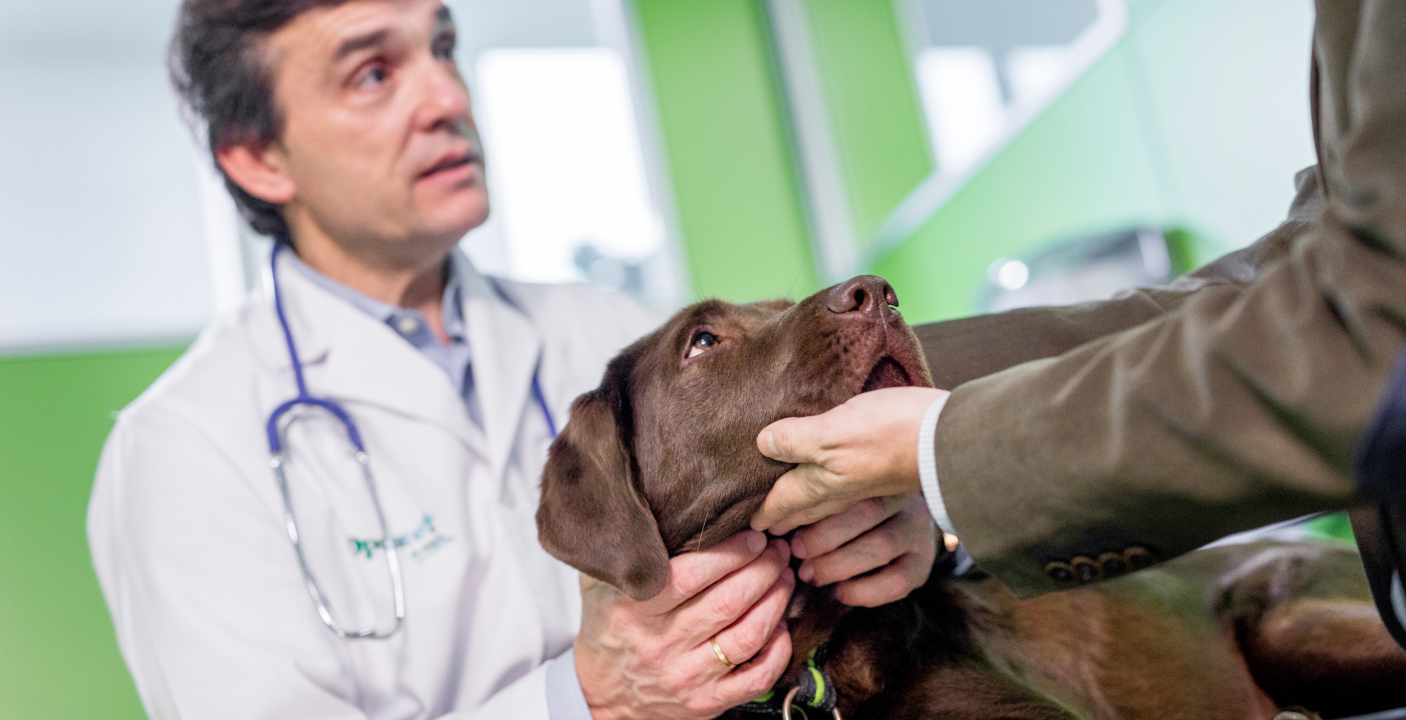
Your vet plays a big role in your pet’s health. Enter your location and get a list of vets near you.
Featured by category
Some Things You Need to Know About Puppies
Making your new puppy part of the family is a very rewarding experience. Read our guide to learn how to take care of your puppy!
Debunking cat myths: grooming
We all know how cats care about keeping themselves well-groomed. Many of us may be under the impression that they don’t need to be bathed.
Top Tips for Transporting Rabbits
Most rabbits find travelling very stressful and this can deter owners from taking them to the vets. It is important owners feel comfortable taking their rabbit out and about, so they are brought to practice when necessary.
The ins and outs of puppy socialisation
Read here many of the ins and outs of how to socialise a puppy that can help you. Discover the best tips of puppy socialisation!
Mourning the loss of a pet
When grieving the loss of a pet, there really is no right way to grieve. But there are things you can do to make mourning a little easier.
The practice of Doga – yoga for dogs!
Doga, the best practice for both dog owners and their fluffy friends! Check these tips for doing yoga with your dogs.
Receive Pet Care Tips & More!
Join MyPet.com for products, promotions & expert pet care tips to help keep your pet happy and healthy.