Lifestyle
5 ways to make travelling with dogs a walk in the park
Travelling with dogs becomes much easier when you take the time to plan ahead. Check out the best tips to enjoy the journey together!
Share the article:
Packing, hitting the road and exploring new destinations is always an adventure, but when you get to bring your dog along you pretty much guarantee that the memories will be even more meaningful. Here are the top five ways to make sure that you know how to travel with a dog effortlessly and joyfully from the minute you start planning your trip:
1. START WITH A TRIP TO THE VET
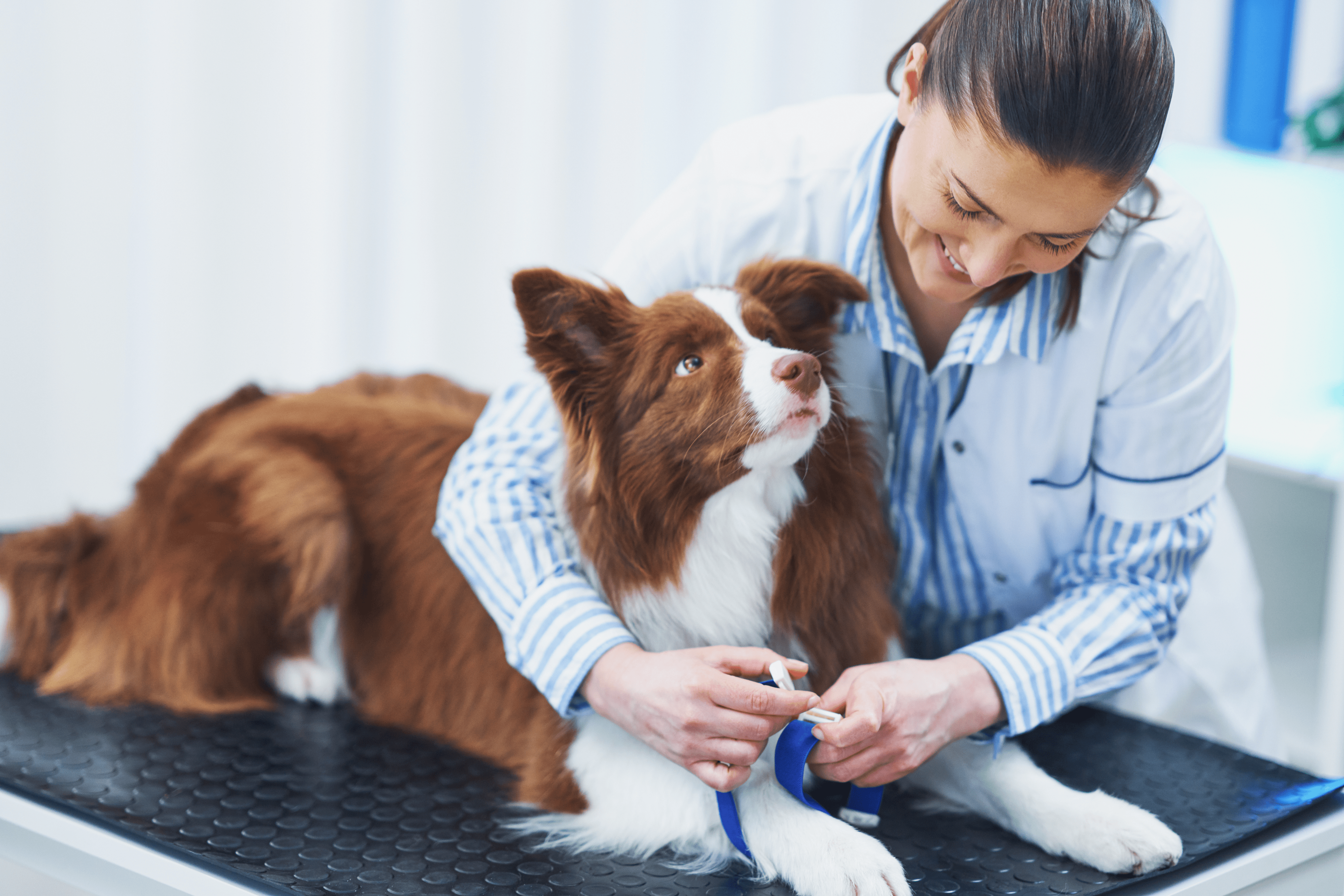
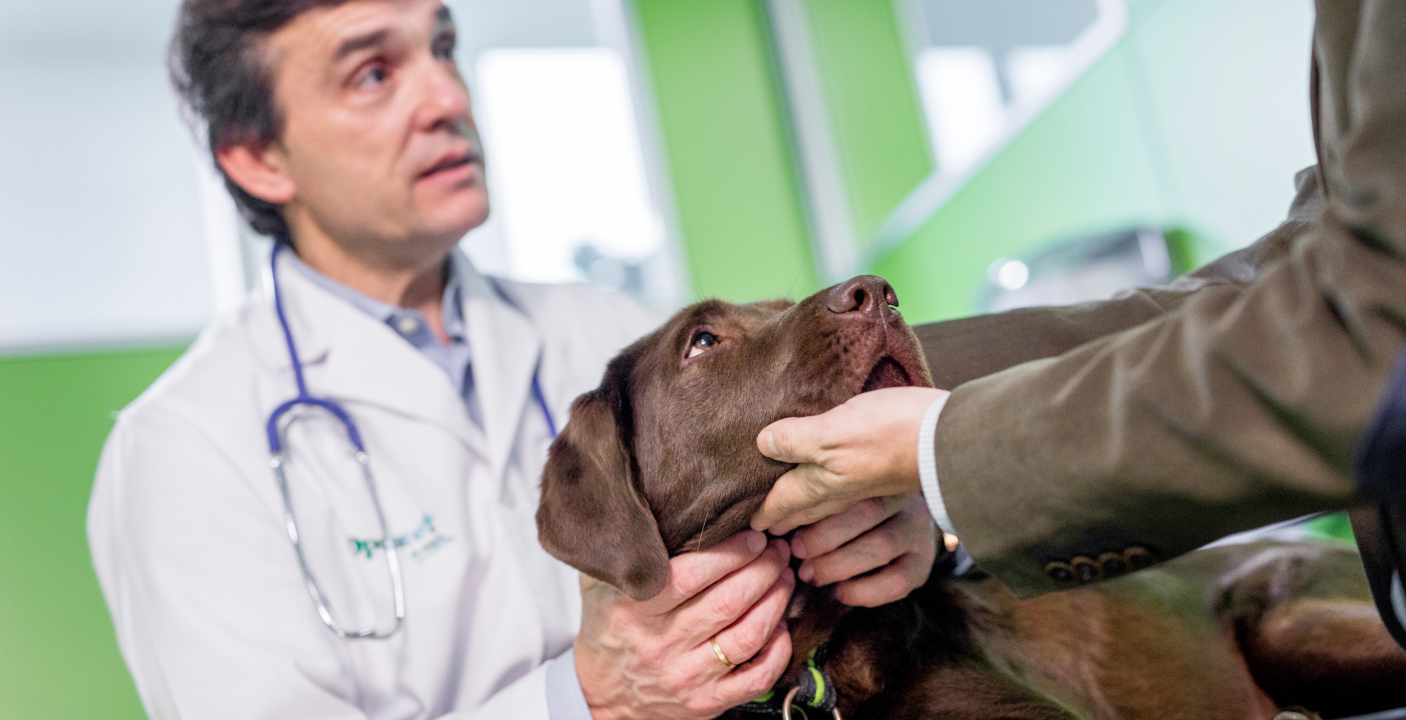
Travel can be just as stressful for dogs as it is for humans. Take your dog to the vet for a routine check-up before you commit to bringing him or her along. You’ll want to be sure that they are emotionally and physically healthy enough to go the distance. If your dog has health issues or is naturally skittish or reactive your vet may recommend that they remain at home or in a familiar setting while you vacation.
If you are planning to travel abroad then you’ll need a health certificate for your dog, along with proof of rabies vaccination.
Some dogs suffer from travel anxiety and motion sickness so ask your vet what remedies you may need to bring with you. Use caution when administering medication such as sedatives or tranquillisers, especially if you’re planning to fly because these medications are unpredictable at higher altitudes.
2. TAKE YOUR DOG FOR A TEST DRIVE
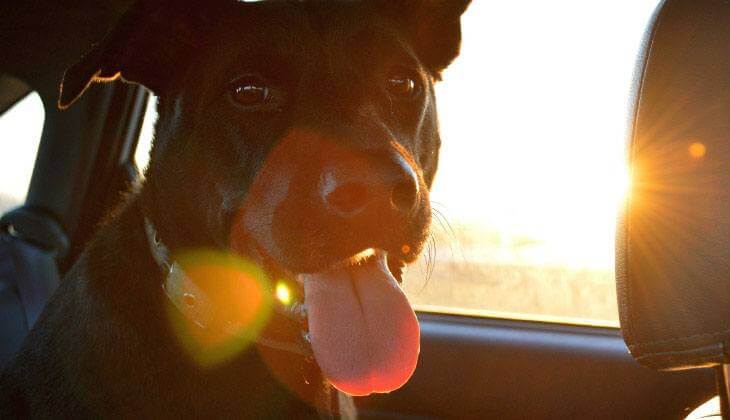
If you’re planning to travel by car and you’re not sure whether or not your dog will truly enjoy the ride, start with a short test drive. It’s important to see whether or not your dog is able to sit back and relax. Some dogs can, but others suffer from motion sickness, anxiety and agitation.
3. MAKE SURE YOUR DOG IS IDENTIFIABLE
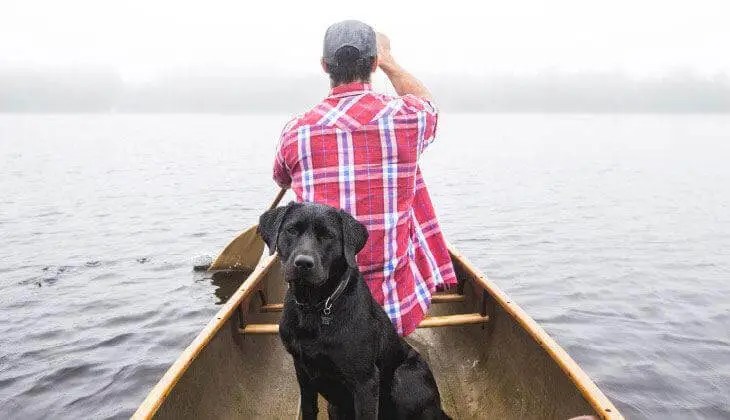
Dogs really love to explore the world. When you travel to new places they step out of their daily routine. There are so many new things for them to see, smell and do. It’s important to make sure that they are not only microchipped, but also easily identifiable by a collar that has their name and up-to-date contact information, including a phone number just in case they happen to wander away from you while you’re enjoying your adventure together. In the UK, it is a legal requirement for dogs to wear a collar in public and to be microchipped by 8 weeks of age.
4. PACK YOUR PUP’S SUITCASE
There’s a good chance that your dog’s suitcase will be as big as yours. You’ll want to be sure to pack food (especially if your dog is on a prescription diet), bowls, medication, treats, an extra collar and lead, a crate or travel carrier, along with plenty of water for the road. In addition, bring some of your dog’s favourite toys, pillows and blankets to remind them of the comfort and familiarity of home while you’re away.
5. MAP OUT A PET-FRIENDLY ROUTE
Keep your dog in mind while you’re mapping your route to your destination. Despite more and more hotels, restaurants, parks and venues becoming pet-friendly, these businesses vary in terms of policies and amenities. Public transportation, for example, may not permit dogs of a certain weight or size to board, so be sure to do your homework and know if and where your dog is welcome before you arrive.
If you plan to travel by car, remember that your dog needs to stretch, move, eat and drink so map your route in advance to ensure enough potty and play stops along the way.
Once you have all of your dog’s ducks in a row, just relax. There are so many wonderful memories in store when you’re able to travel and explore the world with your best friend by your side.
Looking for a vet?
Your vet plays a big role in your pet’s health. Enter your location and get a list of vets near you.
Featured by category
Some Things You Need to Know About Puppies
Making your new puppy part of the family is a very rewarding experience. Read our guide to learn how to take care of your puppy!
Debunking cat myths: grooming
We all know how cats care about keeping themselves well-groomed. Many of us may be under the impression that they don’t need to be bathed.
Top Tips for Transporting Rabbits
Most rabbits find travelling very stressful and this can deter owners from taking them to the vets. It is important owners feel comfortable taking their rabbit out and about, so they are brought to practice when necessary.
The ins and outs of puppy socialisation
Read here many of the ins and outs of how to socialise a puppy that can help you. Discover the best tips of puppy socialisation!
Why dogs and cats are feeling the heat
What are the best strategies to keep your pets safe from extreme heat?
The pet – friendly road trip
When taking your pet on a road trip, make sure to follow some crucial pointers. Here are the best tips for your pet friendly road trip!
Receive Pet Care Tips & More!
Join MyPet.com for products, promotions & expert pet care tips to help keep your pet happy and healthy.