Health
Know before you go – successful vet visits for you and your cat
Taking your cat for a visit to the vet can be stressful. Read how to prepare your cat for a visit to the vet.
Share the article:
You might be feeling anxious about taking your cat for a visit to the vet, whether for a routine exam or for a specific health concern. You have to think about putting the cat in the carrier, the car ride, the waiting room – and then the actual exam itself. There are ways to reduce the stress level – before, during and after your visit – that will benefit both you and your cat.
BEFORE THE VISIT
The first thing you should do is make an appointment with your vet. This isn’t as obvious as it seems because many veterinary practices are busy, and if you expect to be seen without an appointment, you may have to wait a while, which could become quite stressful for your nervous feline friend. So in choosing which practice is right for you, consider ones that have designated waiting areas just for cats.
WHEN YOU CALL THE VET TO MAKE YOUR APPOINTMENT, BE CLEAR ABOUT THE REASON YOU ARE BRINGING YOUR CAT IN FOR A VISIT, WHETHER IT’S FOR A SPECIFIC CONCERN OR A ROUTINE EXAM.
Ask the receptionist if there are any prep instructions prior to the visit, for example, your vet may want you to collect a stool sample from your cat, or they may ask that you not feed your cat before your appointment.
Once your appointment is set, it’s important for you, as the pet owner, to understand the expectations of what is to be covered during each annual and semi-annual visit.
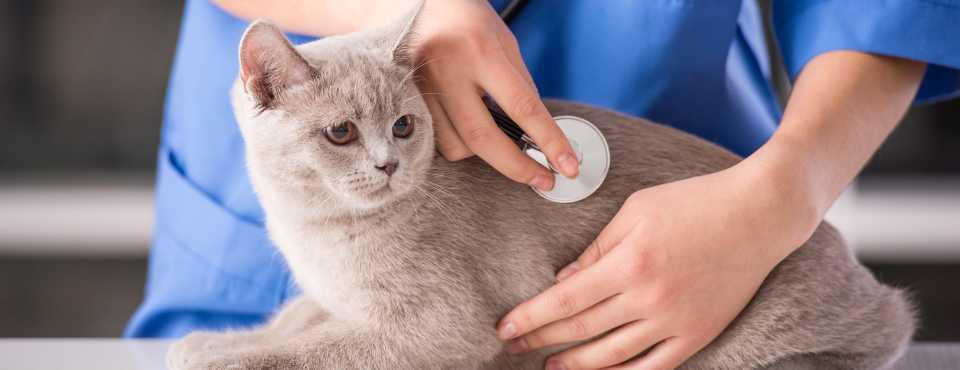
- Comprehensive Physical Exam. If your cat doesn’t have a prior medical history to reference, or if he or she has issues due to poor health or advanced age, this type of examination allows vets to familiarise themselves with the cat’s current physical health and advise on any necessary treatment or action. Microchipping, neutering, dental health, grooming, nutrition, breed specific health problems, and behaviour are often discussed during this part of the visit as well.
- Vaccinations. These are usually administered at your first visit or upon adoption, and subsequently at regular intervals depending on the protocol recommended by the vet, where you live, your cat’s lifestyle and other factors.
- Annual Exam. This routine visit is comprised of a general health check, assessment of vaccine needs and status check to ensure that parasite preventatives such as deworming, flea and tick prevention meds are up to date.
- Problem/Treatment. This kind of visit is scheduled if you notice something specifically wrong with your cat and you want to bring him or her in for the vet to evaluate the issue and, if needed, prescribe medication.
The next thing you will want to do is prepare your cat for the visit. Most importantly, you should remain calm and relaxed. Your cat can sense if you are feeling nervous or stressed and will respond accordingly. You can prepare your cat by “rehearsing” a clinical exam to get him or her used to being touched, specifically on the face, ears, paws and tail.
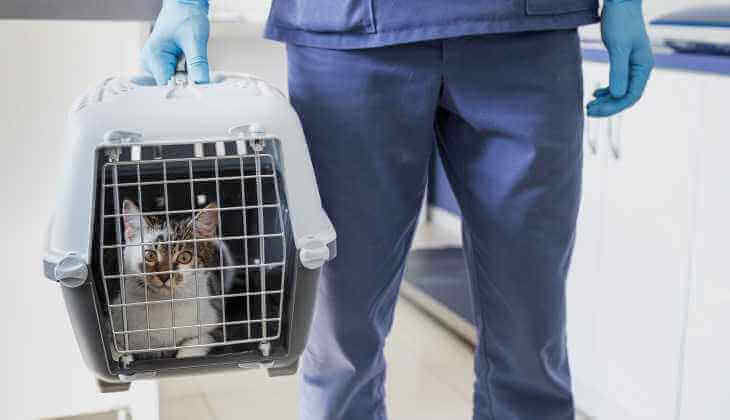
IN GENERAL, IT’S A GOOD IDEA TO KEEP THE CARRIER IN A LOCATION WHERE YOUR CAT WILL HAVE CONSTANT EXPOSURE TO IT AND CAN GET USED TO IT AT THEIR OWN PACE.
If the carrier is only used or taken out for trips to the vet, your cat will begin to catch on and become fearful at the sight of it. Place some toys, treats or a favourite blanket inside and if your cat goes in, give him or her warm praise. You will also find it much less stressful to use either a top-load carrier or one that opens easily.
AT THE VET PRACTICE
Even if you have other animals at home, your cat may not be comfortable with the other animals you will likely encounter in the waiting room at the veterinary practice. Keep your cat inside the carrier while you wait to reduce your cat’s stress level and keep the carrier away from other curious pets. The best place for your carrier might actually be on your lap! If your cat is easily upset, let your vet know and ask if they’re able to bring you into an exam room to wait, or you can see if they have a designated areas for cats available. You can also consider waiting in your car until you are called in.
ONCE YOU ARE IN THE EXAM ROOM WITH THE VET, GIVE YOUR CAT A FEW MINUTES TO GET USED TO THE SURROUNDINGS AND COMFORT YOUR PAL WHILE HE OR SHE IS BEING HANDLED BY THE VET.
You should pay attention during your cat’s exam and help the vet when asked. Above all else, continue to remain calm. There will be times where it might be better to step aside and give the vet space needed to build a one on one relationship with your cat while being handled. Remember that each trip we make to the vet, regardless of its purpose, is a team effort!
COMING HOME
What to do after your cat’s exam depends on his or her health. If there is a condition or if your cat has had a health emergency, your vet will likely tell you signs to watch for and when to call if there are changes. The vet will show you how to give your cat their medications, share with you useful reading material, and also let you know when to return for a follow up visit.
IF YOU GET HOME AND YOU’RE WORRIED ABOUT SOMETHING, DON’T BE AFRAID TO CALL YOUR VET PRACTICE AND ASK QUESTIONS.
At home, it’s important to provide time and space to let your feline pal get reacquainted with his or her environment. Don’t rush your cat out of the carrier, but instead, let him or her come out at his or her own pace.
Looking for a vet?
Your vet plays a big role in your pet’s health. Enter your location and get a list of vets near you.
Featured by category
How does changing weather affect your pet?
Weather can affect your pet more than you realise. And as it becomes more extreme, we need to pay close attention to its risks, and how to overcome them.
How do external parasites threaten our pet’s health?
What are these parasites that live on our pets, why are they potentially such a menace to pet health – and what can we do to stop them?
What you should know about feline leukaemia virus
Feline leukaemia virus is an important cause of severe and often fatal disease in cats. If you want to know more about this virus, read more!
Keep Your Indoor Cat Safe in Your Home
Your home should be a safe environment for your cat, who could find real dangers in the most unlikely spots. Keep your indoor cat safe!
Hyperthyroidism and your cat
If you have a cat, you may not hear about feline hyperthyroidism until they reach middle age. Discover everything about hyperthyroidism and cats here.
Vaccines 101: what dog vaccinations really do for your dog (and you)
Dog Vaccinations Guide | Learn about the types of vaccinations and when your dog needs them.
Receive Pet Care Tips & More!
Join MyPet.com for products, promotions & expert pet care tips to help keep your pet happy and healthy.