Health
What every dog owner needs to know about parvo
Learn about Parvo, a deadly disease in puppies. Discover symptoms, prevention, and treatment of Parvovirus. Keep your furry friend safe.
Share the article:
Parvovirus, often called “parvo,” is a common disease frequently found in puppies, with deadly consequences. The last thing any new dog owner wants to hear is a diagnosis of parvo, which is why it is important for everyone to be aware of the symptoms and how to prevent this fatal disease.
History of Parvo
First observed in dogs in 1978 in Europe and America, thousands of dogs died from parvovirus before a vaccine was available. Despite good control through vaccination, parvovirus remains a common disease in unvaccinated dogs. It is also the most frequent cause of mortality in puppies in breeding establishments, mainly during the weaning period. Vets often encounter puppies with parvo and it is often serious if not fatal.
What is Parvo?
Parvo, caused by the canine spreads most commonly from picking the excreted virus up indirectly from the environment or by direct contact with an infected individual. Your puppy or dog is exposed to parvo every time he or she sniffs, licks or consumes infected faeces. Indirect transmission occurs when your pup encounters a contaminated object, like a food or water bowl, collars, leads, and even the hands of people who have handled infected dogs.
The virus does the most damage in the stomach and small intestine, where it destroys cells, impairs nutrient absorption, and disrupts the gut barrier. Parvo also affects the bone marrow and lymphopoietic tissues.
Which animals are at risk for parvo?
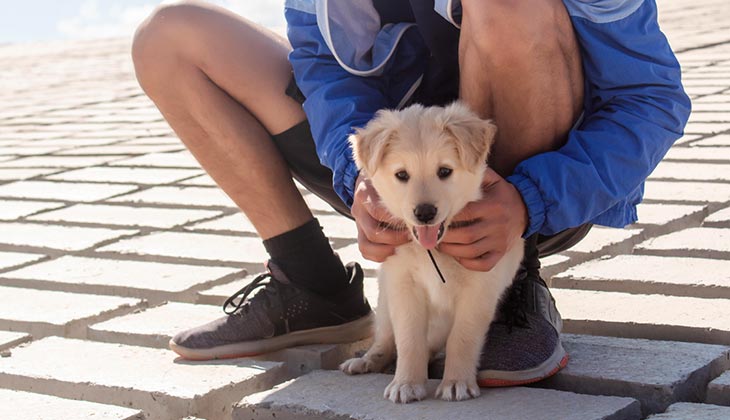
All unvaccinated dogs are at high risk for developing parvo. Puppies ages six weeks to six months are most susceptible, but before six weeks, puppies still retain some of their mother’s antibodies assuming their mother received her full series of parvo vaccinations. Puppies are typically vaccinated from around 8 weeks of age with a subsequent dose at 10-12 weeks of age. In some cases, an additional primary dose may be given at around 16 weeks of age.
Dogs of all ages and breeds are susceptible although certain breeds such as Rottweilers as well as younger dogs and puppies may be at a higher risk.
How is parvo transmitted?
The main source of infection is through the faeces of infected dogs. Parvovirus can persist in the environment for a very long time, often as much as 6 months or more, on the surface of even well-cleaned walls or floors. It can be carried on clothing, the soles of shoes or on the fur of animals for several months, continuing to be the source of further contamination.
Immunity is long lasting but not necessarily life long, so further annual booster vaccines will typically incorporate parvovirus cover at least every 3 years
What are the signs of parvo?
A puppy or dog with parvo is a very sick dog. The sooner you catch the early signs of the virus, the sooner you can get your dog to the vet. Since parvo is common in young puppies, you should call your vet any time your puppy seems to be feeling under the weather, but you should also be aware of the specific symptoms of parvo:
- Bloody diarrhoea
- Vomiting
- Fever
- Lethargy
- Refusal to eat
- Weight loss
- Weakness
- Dehydration
- Depression
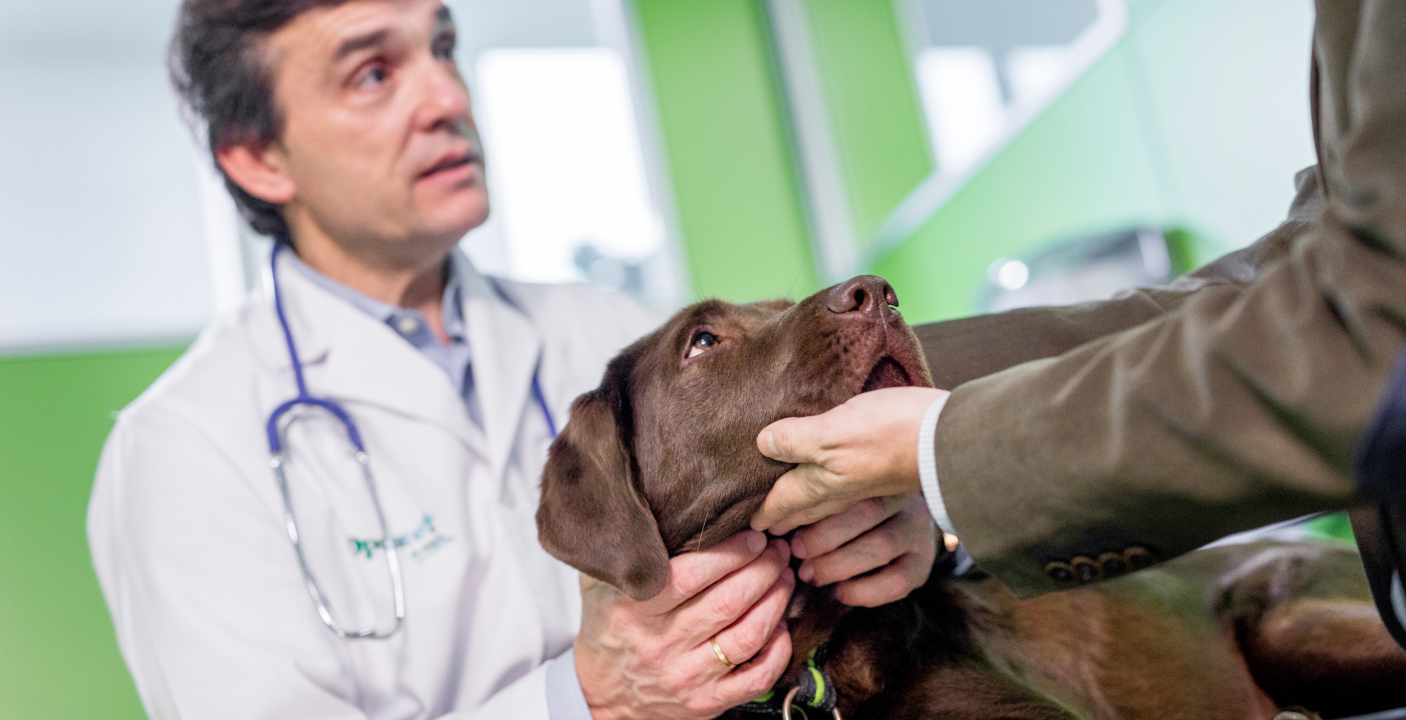
All of these symptoms are serious on their own and could be a sign of parvo or another serious illness, so you should contact your vet immediately if you observe any of them. If you suspect parvo, you should also notify the staff at your vet practice so that they can take appropriate precautions to quarantine your puppy upon arrival and prevent infecting other dogs.
How do you prevent parvo?
Parvo is a preventable virus. All puppies and adult dogs should receive their parvo vaccinations and continue doing so without any gaps in their vaccination schedules.
Puppies should not come in to contact with unvaccinated dogs until all of the parvo vaccinations have been administered, no direct or indirect contact with unvaccinated dogs or environments where they are exercised until they have fully responded to primary vaccination – typically at least one week after initial vaccines have been completed. Make sure all dogs in your household are vaccinated and be very careful when socialising your puppy. Dog parks and other places where dogs congregate are potential sources of parvo, so it is usually a good idea to socialise your puppy in a less public environment.
How do you treat parvo?
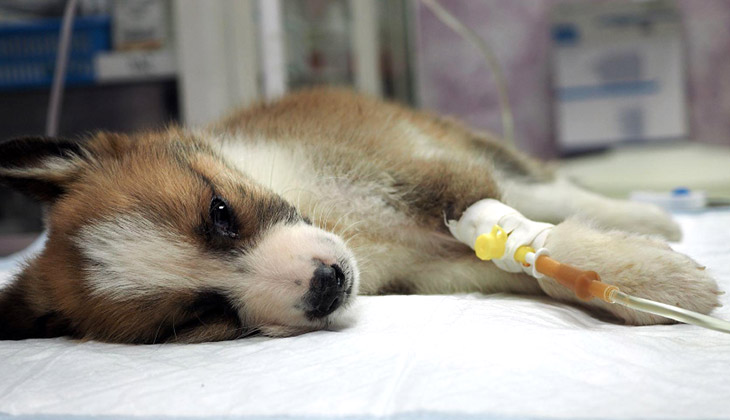
There is no specific treatment for parvo because it is a virus and antibiotics are not effective against viruses. When a dog becomes infected with parvo, treatment is generally supportive. Your vet may administer fluid infusions, anti-vomiting and anti-diarrhoea medications, and hospitalisation may also be necessary.
Parvo is a serious and highly contagious disease. Understanding how parvo spreads, the signs to look out for, the treatment options for parvo, and the best ways to prevent parvo will help you keep your dog safe. For more information about parvo, talk to your vet.
Looking for a vet?
Your vet plays a big role in your pet’s health. Enter your location and get a list of vets near you.
Featured by category
How does changing weather affect your pet?
Weather can affect your pet more than you realise. And as it becomes more extreme, we need to pay close attention to its risks, and how to overcome them.
How do external parasites threaten our pet’s health?
What are these parasites that live on our pets, why are they potentially such a menace to pet health – and what can we do to stop them?
What you should know about feline leukaemia virus
Feline leukaemia virus is an important cause of severe and often fatal disease in cats. If you want to know more about this virus, read more!
Keep Your Indoor Cat Safe in Your Home
Your home should be a safe environment for your cat, who could find real dangers in the most unlikely spots. Keep your indoor cat safe!
Hyperthyroidism and your cat
If you have a cat, you may not hear about feline hyperthyroidism until they reach middle age. Discover everything about hyperthyroidism and cats here.
Vaccines 101: what dog vaccinations really do for your dog (and you)
Dog Vaccinations Guide | Learn about the types of vaccinations and when your dog needs them.
Receive Pet Care Tips & More!
Join MyPet.com for products, promotions & expert pet care tips to help keep your pet happy and healthy.