
Health
How do external parasites threaten our pet’s health?
What are these parasites that live on our pets, why are they potentially such a menace to pet health – and what can we do to stop them?
Share the article:
What do you really know about the health risks of pet parasites such as fleas on dogs?
Many people believe ticks, fleas and other external parasites are nothing more than a nuisance to our pets. Sure, they’re unsightly pests and they irritate our cats and dogs, but that’s all, right?
Well, actually these unwelcome guests can cause a range of serious problems for our beloved companions. When they bite our pets, parasites can transmit a number of diseases, some of which can be fatal.
To keep our pets safe, we need to stop parasites before they get a chance to transmit or pass on diseases.
The most important external parasites
Blood sucking parasites such as fleas and ticks which are sometimes referred to as “vectors” – relating to their ability to transmit infections they can carry which are responsible for a range of significant and dangerous diseases
As a recent scientific paper puts it:
Vector-borne diseases constitute a diversified group of illnesses, which are caused by a multitude of pathogens transmitted by arthropod vectors, such as mosquitoes, fleas, ticks, and sandflies. Proper management of these diseases is important from both human and veterinary medicine standpoints, given that many of these pathogens are transmissible to humans and dogs, which often live in close contact.1
So, let’s look at each of these parasites in turn.
Ticks
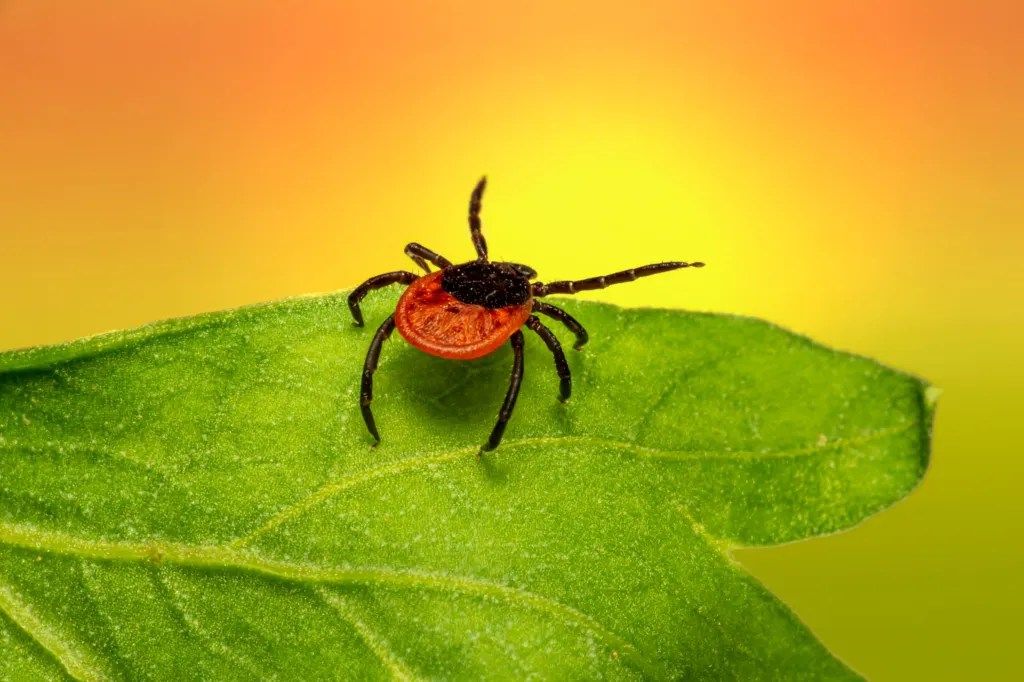
Ticks are tiny, bloodsucking arachnids that are most often found in grassy, wooded areas; however they can also be found in urban parks. They target our pets by climbing onto plants and tall grass and latching onto the animal as they brush past.
It is sadly common to find ticks on dogs and cats – and, due to rising temperatures, these bloodsucking arachnids are more active than ever. As the weather warms, ticks are able to stay active beyond their traditional ‘season’ in summer and autumn and penetrate regions that would have previously been too cold.
In fact, ticks are now a year-round problem in many countries. To avoid them, and to keep our pets and our families protected from the diseases ticks carry, we should consider the need to adopt year-round protection.
Fleas
Fleas are wingless, blood-sucking insects whose presence is particularly common among dogs, cats and rabbits.
Fleas can jump many times their own height, allowing them to cling onto our pets’ coats and hitch a ride indoors. This makes them a year-round problem; even though they need warm temperatures to survive, the heat of the home allows them to reproduce and remain active. More than ninety five percent of a flea’s lifecycle takes place in the home, rather than on the pet, so, for every flea that lives on your four-legged friend there are many more waiting to take its place. This is why your pet may need continuous flea protection.
Fleas can cause flea allergy dermatitis, an allergic reaction to flea saliva that can be very distressing for dogs and cats; due to the intense itch, pets can lose their fur and even damage or self-harm their skin. Fleas can also transmit bartonellosis, also known as Cat Scratch Disease. Bartonellosis can cause a variety of issues in humans from flu-like symptoms and abscesses in healthy adults to more severe illness in immunosuppressed individuals. The Big Flea Project, carried out in the UK in 2018, found that 11% of fleas were carrying the bacteria that causes bartonellosis2. People can get the disease when handling flea-infested animals, from flea dirt or from bites and scratches, which puts pet owners at a greater risk3.
Mosquitoes
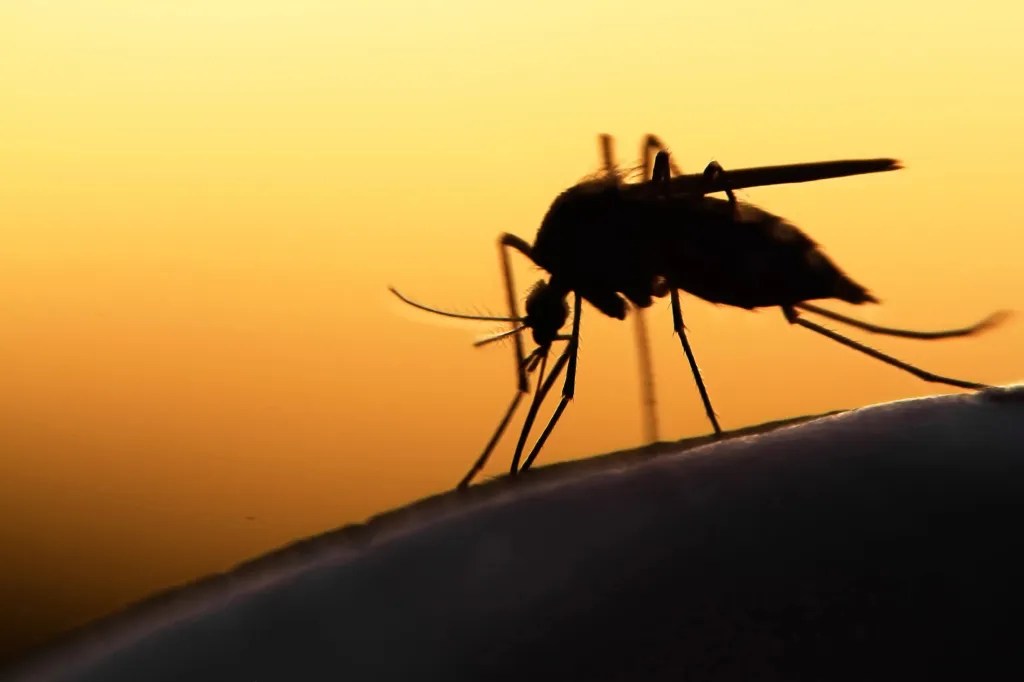
Mosquitoes are a nuisance found all over the world, particularly around warm, damp environments like lakes and marshes. Although they can rarely fly more than 50 miles, they can travel huge distances as ‘stowaways’ in human cargo.
Like ticks, mosquitoes are benefiting from rising temperatures. The warmer, more humid weather is enabling them to increase their activity across Europe and penetrate into countries that would have previously been too cold. Various tropical species, notably the Asian Tiger Mosquito, are now commonplace in several European countries.
Mosquitoes are infamous for transmitting malaria to humans, but they can also transmit several diseases to cats and dogs including heartworm, a tiny worm which can clog our pets’ cardiovascular and respiratory systems and is unfortunately often fatal.
Sandflies
Sandflies are tiny, winged insects, similar to a mosquito. They are well distributed in southern Europe and are now being discovered further north as temperatures are rising: they have even been reported in northern parts of France and Germany4,5.
Sandflies are typically most active at sunset and can pose serious problems if they feed on us and our pets. Indeed, they can transmit leishmaniosis, a serious condition that can affect both dogs and humans.
Stay informed to stay safe
As we’ve seen, the threat from parasites is increasing around Europe, particularly in response to environmental changes.
As a first step to protecting your pet, we recommend you speak to your vet about flea and tick treatment options including spots-ons or chews lasting 1 to 3 months, or an injection which lasts a whole year about tailored parasite control for you and your family’s health. There is no substitute for the informed guidance your veterinarian can provide, tailored to your pet’s breed, age, personality, lifestyle and local region.
We also recommend you take a look at this quick video, outlining the risks that parasites can pose.
In addition, there are a number of specific steps that can keep your cat and dog safe:
- Get a proper treatment for ticks. A long-lasting treatment for ticks on cats or dogs will kill the parasite before they can reproduce or spread disease. Just make sure to keep your pets protected all year round.
- Check your indoor spaces. Flea eggs, larvae and pupae can be in the nooks and crannies of your house, so be sure to vacuum under your rugs, in the cracks of your upholstery and regularly wash your pet’s bedding.
- Brush your pet regularly. Continuous protection against fleas is the best option but, if in doubt, a quick brush can uncover fleas – make sure you use a special flea comb when you do it and look for small black specks known as flea dirt. If you do find fleas, remember that it takes 12 weeks of continuous treatment to get rid of a flea infestation.
- Keep your outdoor spaces clean. Ticks and mosquitoes can set up camp in the areas around your house, so keeping outside spaces well manicured and tidy reduces opportunities for colonisation by ticks and for mosquitoes to breed in pools of stagnant water.
And remember: if your cat or dog is infested with ticks, or has an issue with any other parasite, don’t panic. Visit your vet and they’ll give you the advice you need.
Sources:
- Dantas-Torres, F., & Otranto, D. (2016). Best practices for preventing vector-borne diseases in dogs and humans. Trends in Parasitology, 32 (1), 43-55. https://doi.org/10.1016/j.pt.2015.09.004
- Abdullah, S., Helps, C., Tasker, S., Newbury, H., & Wall, R. (2019). Pathogens in fleas collected from cats and dogs: distribution and prevalence in the UK. Parasites & Vectors, 12 (1), 1-10.
- Breitschwerdt, E. B., Maggi, R. G., Chomel, B. B., & Lappin, M. R. (2010). Bartonellosis: an emerging infectious disease of zoonotic importance to animals and human beings. Journal of Veterinary Emergency and Critical Care (San Antonio, Tex. : 2001), 20 (1), 8–30. https://doi.org/10.1111/j.1476-4431.2009.00496.x
- Aspöck, H., Gerersdorfer, T., Formayer, H., & Walochnik, J. (2008). Sandflies and sandfly-borne infections of humans in Central Europe in the light of climate change. Wiener klinische Wochenschrift, 120 (4), 24-29. https://doi.org/10.1007/s00508-008-1072-8
- European Centre for Disease Prevention and Control and European Food Safety Authority. (2021). Phlebotomine sandflies maps. ECDC. https://ecdc.europa.eu/en/disease-vectors/surveillance-and-disease-data/phlebotomine-maps
Looking for a vet?
Your vet plays a big role in your pet’s health. Enter your location and get a list of vets near you.

Featured by category
How does changing weather affect your pet?
Weather can affect your pet more than you realise. And as it becomes more extreme, we need to pay close attention to its risks, and how to overcome them.
What you should know about feline leukaemia virus
Feline leukaemia virus is an important cause of severe and often fatal disease in cats. If you want to know more about this virus, read more!
Keep Your Indoor Cat Safe in Your Home
Your home should be a safe environment for your cat, who could find real dangers in the most unlikely spots. Keep your indoor cat safe!
Hyperthyroidism and your cat
If you have a cat, you may not hear about feline hyperthyroidism until they reach middle age. Discover everything about hyperthyroidism and cats here.
Vaccines 101: what dog vaccinations really do for your dog (and you)
Dog Vaccinations Guide | Learn about the types of vaccinations and when your dog needs them.
Get the facts: diabetes signs and symptoms in dogs and cats
The signs and symptoms of pet diabetes may be subtle. Read how to detect, treat and monitor diabetes in dogs and cats!
Receive Pet Care Tips & More!
Join MyPet.com for products, promotions & expert pet care tips to help keep your pet happy and healthy.