Health
The low-down on leptospirosis
One of the risks that have been increasingly reported in many countries worldwide that affects dogs is leptospirosis, also known as “lepto.”
Share the article:
As a pet owner, you try to protect your dog from risk as much as possible. Unfortunately, dangers are lurking right in your backyard or local park that can cause serious harm to your dog. One of these risks that has been increasingly reported in many countries worldwide is leptospirosis, also known as “lepto.”

What is Leptospirosis?
Leptospirosis is an infectious disease caused by spiral-shaped bacteria called leptospires that can be found in water or moist soil. While once mostly associated with rural environments, lepto has spread into urban and suburban areas. The spread of leptospirosis puts virtually every dog, from the biggest breeds to toy-sized terriers – and even humans – at risk for disease!
What are the Signs of Leptospirosis?
Some infected dogs do not show any signs of illness, some may have mild illness and recover, while others could develop severe illness, which can even result in death. Signs of leptospirosis in your dog can include the following:
- Fever
- Muscle tenderness, resulting in unusual movement or resistance to be touched.
- Increased thirst
- Changes in urination
- Vomiting and diarrhoea
- Lethargy
- Loss of appetite
Many signs of leptospirosis can also be seen with other diseases. You may suspect lepto based on exposure history, but your vet will do a physical exam and may recommend a number of tests, such as blood and urine tests, to confirm.
How Serious is Leptospirosis?
Leptospirosis can have life-threatening effects on the kidneys, liver, brain, lungs, and heart. Even dogs that recover may still be at risk for chronic liver failure. In fact, it is estimated that 80 – 90 % of dogs that develop short-term but serious kidney problems are at risk for chronic kidney failure.
How Does Leptospirosis Spread?
The bacteria that cause leptospirosis are spread through the urine of infected animals, which can get into water or soil and survive there for weeks or months. These bacteria enter the body through the mucous membranes, in particular those of the eyes, nose, or mouth, or through a cut or scratch. If the bacteria reach a dog’s kidneys or bladder, the dog can spread the bacteria further each time he or she urinates.
It is important to remember that both animals and humans can become infected with lepto.
What Dogs are at Risk for Leptospirosis?
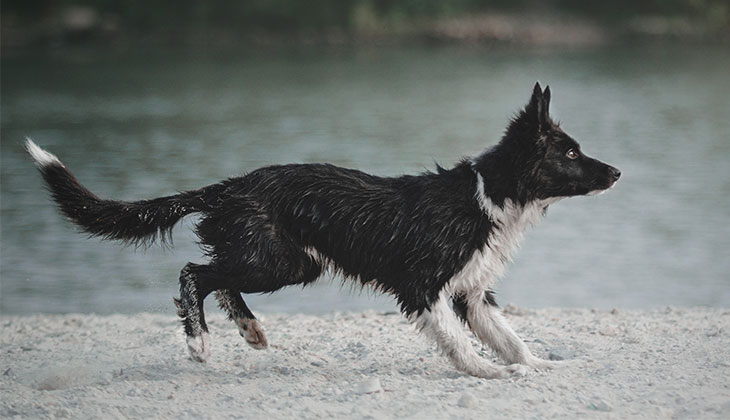
- Rural dogs – Dogs that work, hunt or play in the great outdoors or those in contact with livestock.
- Suburban dogs – Dogs that share their surroundings with local wildlife including rats, mice and other rodents.
- Urban Dogs – Dogs walked on pavements and exploring local parks and communal spaces in more urban areas.
How Can I Protect my Dog from Leptospirosis?
Prevention is best accomplished by controlling the environment where your dog could most likely come into contact with leptospirosis. You do this by keeping rodents under control. Try to sanitise your dog’s environment by eliminating food and rubbish to reduce the attraction of rats, mice, and other wildlife.
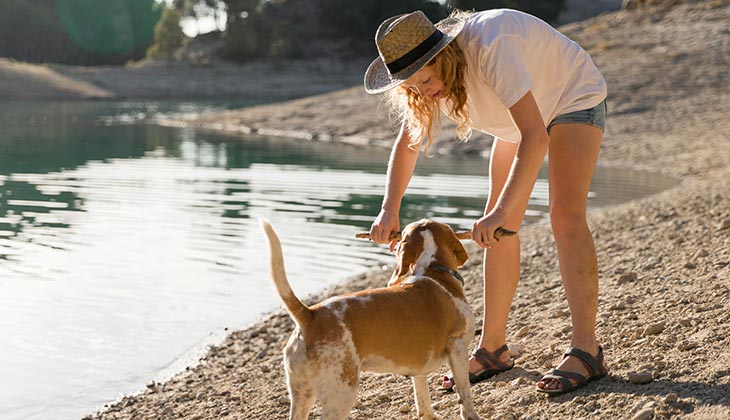
You can also stop your dog’s access to contaminated water. Avoid letting your dog drink from or play in stagnant water when out on walks and keep areas of standing water around your home drained, as this is where leptospirosis may thrive. You also should not let your dog swim or play in slow-moving rivers or water sources where wild animals may drink, swim, or generally have access to.
How Can I Protect Myself and My Family from Leptospirosis?
The most likely way humans can contract leptospirosis is through exposure to the urine of an infected dog. If your dog is infected with leptospirosis, it is very important to observe proper hygiene, even after he or she has recovered. This includes wearing protective gloves when cleaning up after your dog, preventing face-licking, and so on.
Does My Dog Need to be Vaccinated against Leptospirosis?
The best way to protect your dog against leptospirosis is with an annual vaccination that protects against the major causes of leptospirosis. WSAVA’s 2024 Professional Vaccine Guidance indicates that leptospirosis vaccination should be considered a core vaccine for all dogs in all countries where this widespread disease occurs,
Looking for a vet?
Your vet plays a big role in your pet’s health. Enter your location and get a list of vets near you.
Featured by category
How does changing weather affect your pet?
Weather can affect your pet more than you realise. And as it becomes more extreme, we need to pay close attention to its risks, and how to overcome them.
How do external parasites threaten our pet’s health?
What are these parasites that live on our pets, why are they potentially such a menace to pet health – and what can we do to stop them?
What you should know about feline leukaemia virus
Feline leukaemia virus is an important cause of severe and often fatal disease in cats. If you want to know more about this virus, read more!
Keep Your Indoor Cat Safe in Your Home
Your home should be a safe environment for your cat, who could find real dangers in the most unlikely spots. Keep your indoor cat safe!
Hyperthyroidism and your cat
If you have a cat, you may not hear about feline hyperthyroidism until they reach middle age. Discover everything about hyperthyroidism and cats here.
Vaccines 101: what dog vaccinations really do for your dog (and you)
Dog Vaccinations Guide | Learn about the types of vaccinations and when your dog needs them.
Receive Pet Care Tips & More!
Join MyPet.com for products, promotions & expert pet care tips to help keep your pet happy and healthy.